
As the calendar turns, many of us pause to reflect on the past year and to set intentions for the one ahead. The excitement of a fresh start often brings with it a sense of possibility—a chance to reshape habits, reclaim energy, and cultivate a life that feels more aligned with our deepest values. This year, instead of chasing grandiose goals that feel unattainable, consider the idea of a “dry life” as a guiding principle: a life stripped of excess, simplified, and focused on what truly nourishes body, mind, and spirit.
Understanding the Concept of a Dry Life
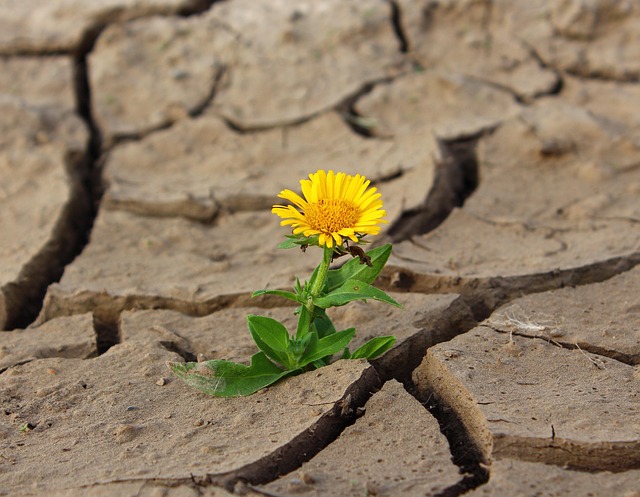
The term “dry life” doesn’t refer to abstaining from alcohol; rather, it evokes the notion of dryness as freedom from clutter, unnecessary commitments, and unproductive distractions. In the context of health, a dry life encourages intentional choices that foster mental clarity, emotional resilience, and physical vitality. By letting go of what weighs us down, we create space for habits that support long‑term wellness.
Three Pillars of a Dry Life
Every sustainable change starts with a foundation. For a dry life, the three pillars are:
- Mindful Consumption – Choosing foods, media, and relationships that nourish rather than deplete.
- Intentional Movement – Engaging in exercise that feels restorative instead of punitive.
- Purposeful Rest – Cultivating sleep and downtime that truly recharge the body and mind.
Practical New Year Resolutions for a Dry Life
Rather than setting vague intentions like “be healthier” or “exercise more,” anchor your resolutions in specific, measurable actions. Here are some ideas that align with the dry life philosophy:
- Replace one sugary beverage per day with infused water or herbal tea.
- Limit screen time to 30 minutes before bed; swap the habit for a calming ritual like journaling.
- Commit to a 10‑minute morning stretch or yoga routine each weekday.
- Plan a weekly digital detox: no social media or email for a set block of time.
- Dedicate one evening each week to preparing a simple, plant‑based meal from scratch.
- Set a consistent bedtime and wake‑up time, even on weekends, to regulate circadian rhythms.
- Allocate a “no‑commitment” day each month where you only do what feels necessary.
- Track your progress with a minimalist journal: note feelings, sleep quality, and food intake.
Why These Resolutions Work
“Small, sustainable changes accumulate into big, lasting habits.” – Anonymous
Each resolution above focuses on reducing overwhelm and fostering consistency. By choosing low‑effort actions that are easy to remember, you create a virtuous cycle: small wins build confidence, which encourages larger commitments over time. Moreover, these choices directly support the dry life pillars, reinforcing the overall health objective.
Building a Supportive Environment
A dry life thrives when your surroundings echo its simplicity. Start by decluttering spaces that trigger excess: shelves crowded with junk food, desks piled with paperwork, or a bedroom filled with gadgets. A tidy environment reduces stress and invites mindfulness. Here are a few practical steps:
- Adopt the “one‑in, one‑out” rule for physical possessions.
- Organize digital files into clearly labeled folders and delete unused apps.
- Use a single, dedicated workspace to avoid scattering thoughts.
- Designate a “quiet zone” free from electronic interruptions.
- Incorporate natural elements—plants, sunlight—to enhance mood.
Mindful Relationships and Boundaries
Choosing who we invest time and energy in is a cornerstone of the dry life approach. Prioritize relationships that uplift you and consider setting boundaries with those that drain. A simple practice is the “pause button”: before engaging in a conversation or activity, pause for a breath, evaluate if it aligns with your values, and decide consciously whether to proceed.
Tracking Progress Without Perfectionism
Documentation is valuable, but perfectionist tracking can sabotage motivation. Use a minimalist approach: jot down one positive outcome each day, such as “I felt energized after my walk” or “I slept a full eight hours.” Celebrate small achievements rather than fixating on metrics. When you hit a setback, view it as an opportunity to learn, not a failure.
Adjusting Resolutions as Needed
Resolutions should evolve with you. At the end of each month, review what worked and what didn’t. Adjust the next month’s goals accordingly. The dry life philosophy encourages flexibility: keep your purpose clear but remain open to change in execution. This iterative process keeps the plan realistic and reduces the pressure that often leads to burnout.
Maintaining Momentum Through the Year
Maintaining a dry life is an ongoing journey. To stay energized, periodically revisit why you started and the benefits you’ve noticed. A quick reflection on the mental clarity, improved sleep, and heightened energy can reignite commitment. Consider adding new small rituals, such as a gratitude pause at night, or swapping one of your daily exercises for a different activity to keep things fresh.
Remember, the ultimate goal is not a temporary fix but a lasting lifestyle shift. Each small change reinforces the habit loop of cue, routine, and reward, embedding healthier patterns into your daily life. By living a dry life, you’re not just cutting back; you’re carving out room for what truly matters—presence, vitality, and a sense of peace that lasts well beyond the calendar year.